Select or Enter Gift Amount(HKD):
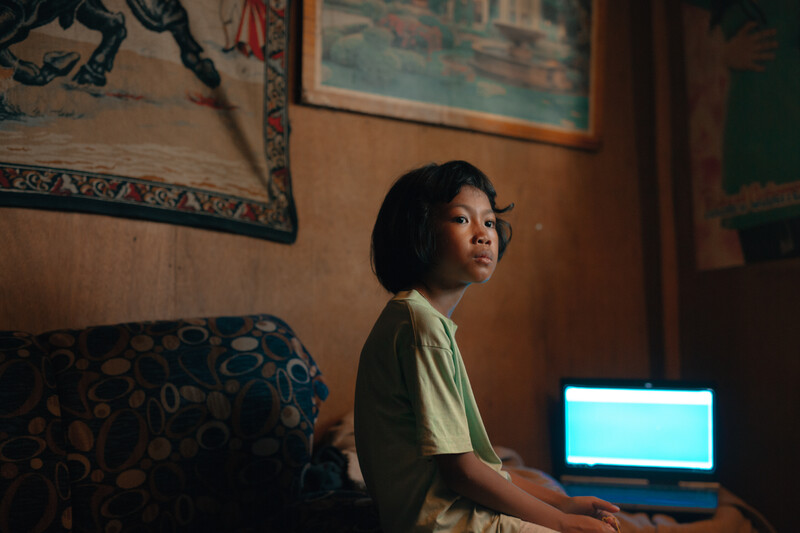
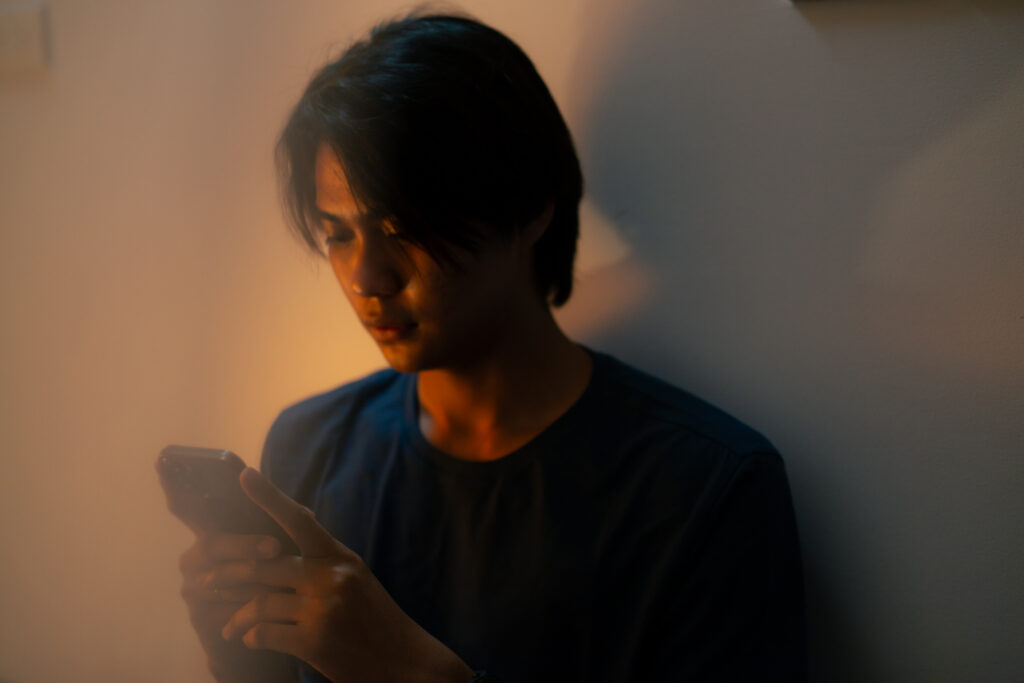
May 2026 — Around the globe, IJM teams are supporting the work of IJM Philippines to stop online sexual exploitation of children (OSEC).
Together, we are urging governments to require Tech that Protects children, mobilising public support, influencing policymakers, and contributing to a growing international movement to ensure technology is used to protect children online, not harm them.
OSEC is one of the fastest‑growing forms of trafficking. In 2022, nearly half a million children in the Philippines alone were estimated to be trafficked to produce new child sexual exploitation material, including livestreamed abuse. That’s roughly 1 in every 100 children (IJM & Nottingham Rights Lab, 2023).
In the face of such horrifying violence, together we’re showing millions around the world that change is not only possible – it’s urgently needed:
United Kingdom
- January: The UK’s #1 Podcast, The Rest is Politics, featured an unprecedented 30-minute interview with IJM highlighting the rise of livestreamed child sexual abuse and the role UK demand plays.
- February: IJM hosted a parliamentary drop-in, briefing more than 25 MPs on the chance for the UK to lead globally in passing legislation to help stop online child sexual abuse before it starts.
- March: Millions heard IJM on BBC Radio 4 Woman’s Hour, learning that OSEC happens on everyday platforms – and the technology already exists to help stop it. We worked with Lord Nash to advocate for legislation to require this technology, which has received support from many members of the House of Lords.
IJM continues regular engagement with MPs, ministers, and Home Office officials, and is advancing legislative work to maintain momentum towards change.
Since the campaign launched in June 2025, more than 3,000 supporter emails have been sent, calling over 550 MPs across the UK to protect children online.

Advocacy isn’t only happening in the UK. Across the world, other IJM teams are reinforcing this call – urging governments to act now so child abuse can be prevented.
Germany
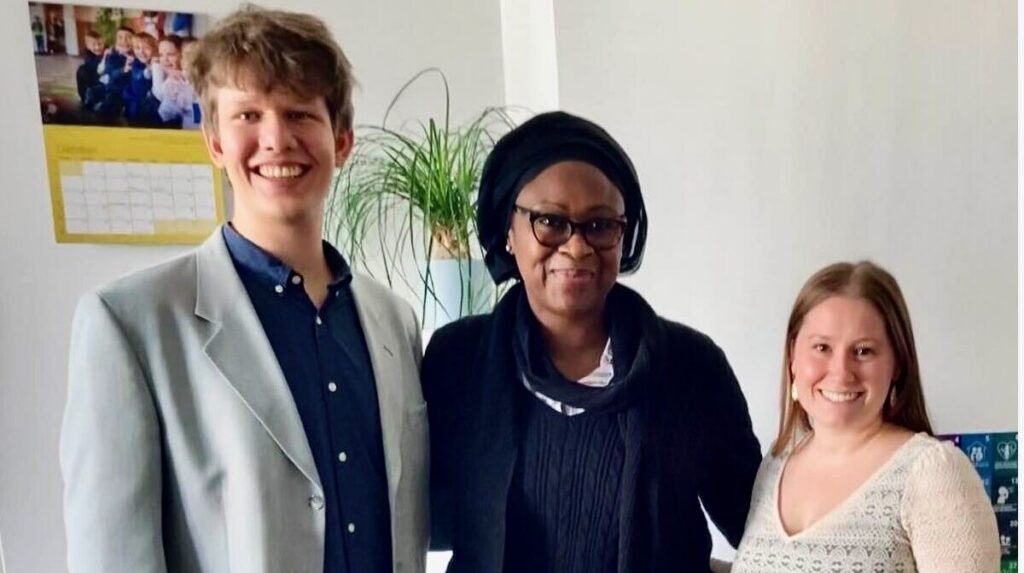
The UN Special Rapporteur on the sale and sexual exploitation of children, Mama Fatima Singhateh, visited Germany to examine how child protection laws are implemented in practice.
During her visit, she met with government agencies and civil society actors, including IJM. Our team contributed insights from our programmatic work, which were incorporated into her key recommendations.
In January 2026, her report Visit to Germany confirmed that while Germany’s legal framework broadly meets international human rights standards, protection must be implemented in concrete terms.
“Without stronger mechanisms that hold companies accountable, the private sector’s role in prevention and response is likely to remain voluntary. These gaps are not abstract. They mean that children remain unprotected, perpetrators go unpunished, and cycles of violence continue across generations.”*
– Mama Fatima Singhateh, UN Special Rapporteur
Romania
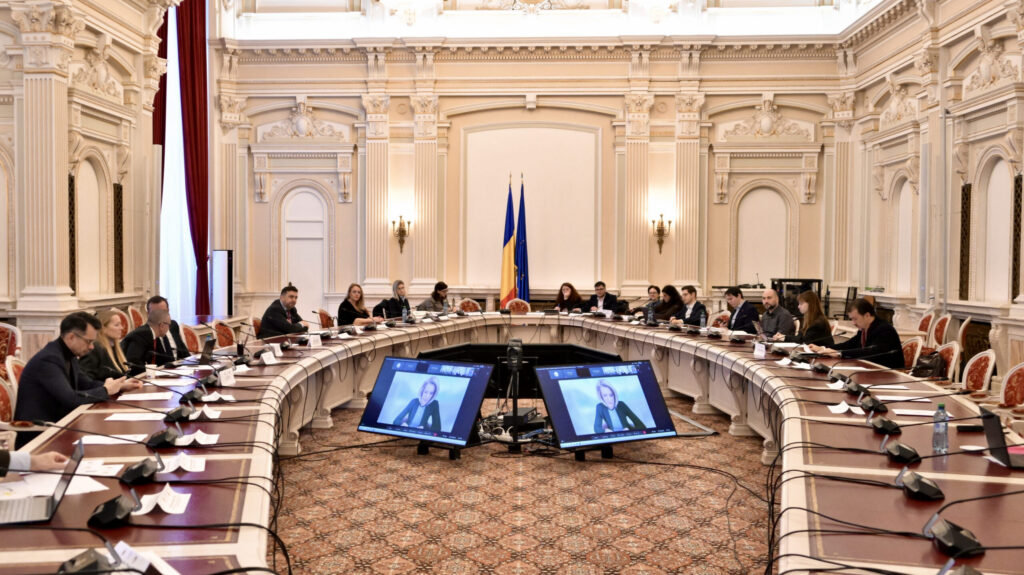
In February, Romanian officials and child protection experts met in Bucharest for an urgent discussion on how to keep children safe from growing online threats. The meeting was convened by IJM and the Joint Special Committee for Combating Trafficking in Persons.
The focus was on proposed changes to Article 374 of the Criminal Code. These updates aim to modernise outdated language and clearly recognise that any image or video depicting sexual abuse represents real harm done to a real child.
Experts highlighted how offenders now use messaging apps, live video tools, online games, and emerging technologies, including AI, to target children. Current legislation treats these crimes as offences against public order, rather than direct attacks on children. The proposed changes would correct this by classifying them as crimes against a person.
This work is part of the Child Protection Compact (CPC), a five-year partnership between Romania and the United States that began in 2024, focused on preventing child trafficking, supporting survivors, and strengthening law enforcement and justice systems.
As the bill moves forward in Parliament, IJM will continue to support Romanian institutions by helping refine the legal language and strengthening coordination across agencies.
Australia
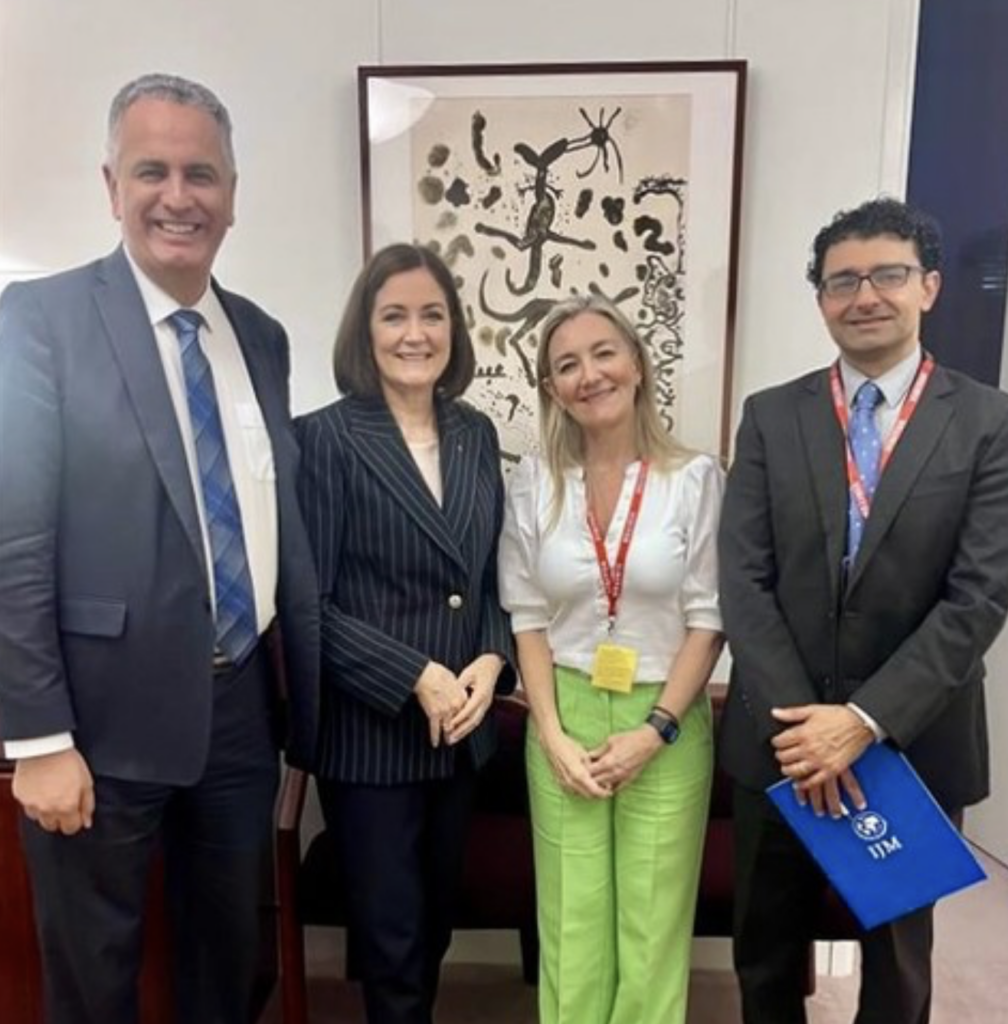
In March, IJM organised a landmark online safety forum at Parliament House in Canberra, calling for a Digital Duty of Care that requires tech companies to detect and prevent livestreamed child sexual abuse on their platforms and smart devices.
The event brought together parliamentarians, the eSafety Commissioner, online safety experts, children’s rights advocates, and policymakers to confront the rapid rise of livestreamed child abuse across Australia and the Asia Pacific.
The eSafety Commissioner’s transparency reporting regime has uncovered that most tech companies are still not detecting and disrupting live online child sexual exploitation and abuse despite years of warnings and available technology.
World‑leading child safety technologist Sharon Pursey OBE, co‑founder of SafeToNet, gave a live demonstration of HarmBlock technology, showing that effective, privacy‑preserving solutions already exist.
Netherlands
In April, IJM released Streaming Hell, a gripping documentary looking at IJM’s work to end OSEC. The film follows public prosecutor Linda van den Oever and IJM’s Attorney Praise as they pursue justice for Filipino children exploited over livestream. Viewers go behind the scenes of an operation, courtroom proceedings, and aftercare facilities supporting survivors.
The documentary exposes the brutal reality of online exploitation, while also highlighting the determination of justice leaders and partners committed to child protection.
EO presenter Rachel Rosier explains the impact making the film had on her, as she’s sought to raise awareness of this deep-rooted problem:
“What perhaps touched me most was the determination of people who continue to fight for children who have no voice of their own. Their courage is impressive and shows that evil does not have to have the last word. Every child that is liberated is a victory. Especially in a story like this, you see how important it is that people do not look away.”*
Streaming Hell was also screened in the Dutch House of Representatives, to a room full of MPs, prosecutors, police, and other professionals. One MP shared:
“This makes painfully clear the scale of abuse around child sexual exploitation material, its distribution, and what happens in other countries because of Dutch ‘customers’ – and what the Public Prosecution Service can or cannot do about it.”*
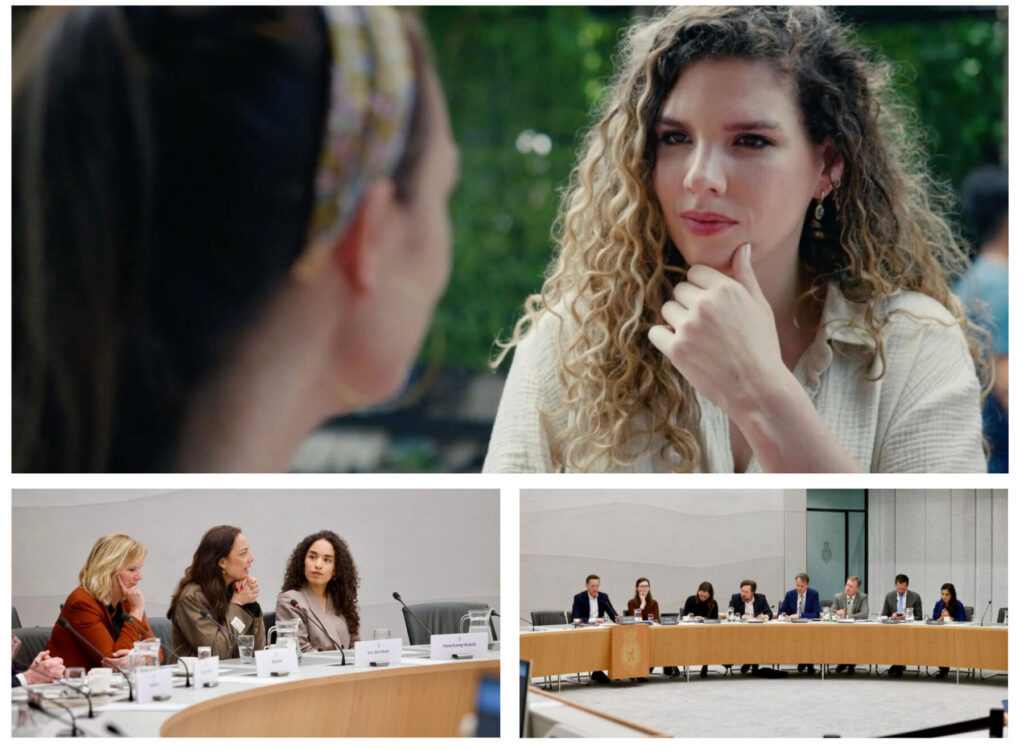
Across different countries and contexts, the urgency is the same.
Technology can and should play a decisive role in preventing online sexual exploitation of children, stopping the abuse before it starts.
With proven tools, survivor leadership and growing political will, progress is possible. Together, we can help ensure governments act, bring more young girls and boys to safety from online exploitation, and ensure children are never harmed in the first place.
Thank you for standing with us as this movement continues to grow, in the UK and around the world.
*Translated