Select or Enter Gift Amount(HKD):
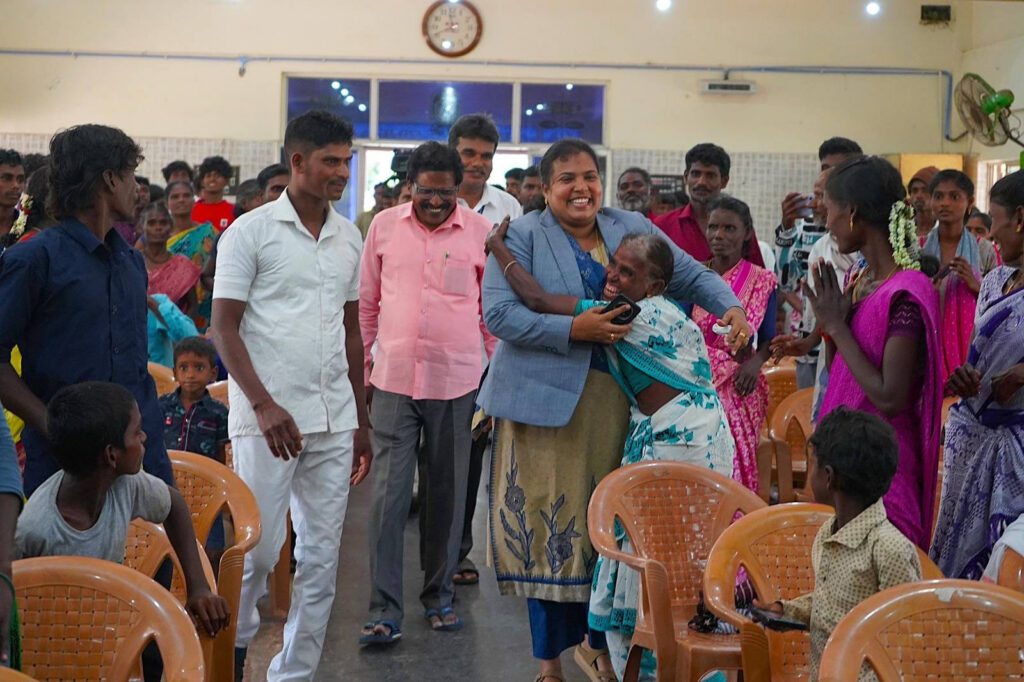
September 2026 — A joyful embrace between a survivor and a government official captured something far bigger than a single rescue. It revealed the transformative impact of a justice system that responds to exploitation, supports survivors’ recovery and works to ensure vulnerable people are protected long after the moment of freedom.
Three hundred survivors gathered for an awareness event in one of the states in which we work in South Asia, waiting for the program to begin. Then a government official walked into the room.
Before she could reach her seat, one woman jumped up and wrapped her in a heartfelt hug.
It was a simple moment. But for those who understood the story behind it, the embrace represented something extraordinary.
Just three months earlier, that woman had been trapped in bonded labor, a type of forced labor slavery. Alongside 50 others, she had endured years of exploitation, abuse and deprivation. Now she was free. More than that, she was thriving.
And the person she ran to greet was one of the government leaders who had helped make that transformation possible.
More Than a Rescue
For over six years, 51 people were trapped at a brick kiln in South Asia.
Many had originally taken small loans to meet basic needs. Over time, those debts were manipulated and inflated, leaving families unable to escape. Adults and children were forced to work long days producing bricks, often under threats and violence. Children were denied an education. Families lacked adequate food, healthcare and freedom of movement.
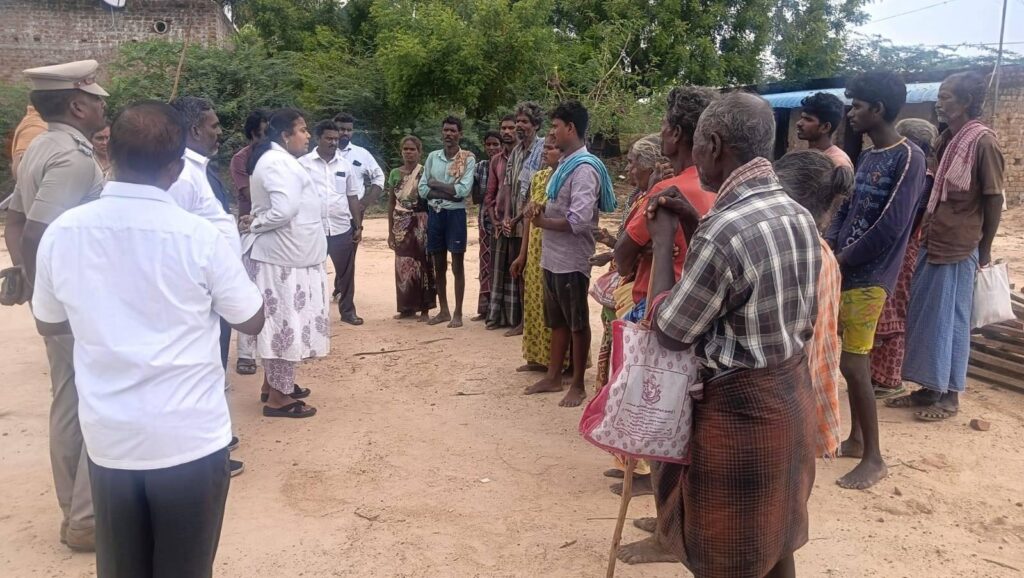
In April 2026, a local partner organization identified the situation and alerted authorities. After an investigation, government officials visited the worksite and uncovered clear signs of bonded labor. Authorities moved quickly to secure the freedom of the workers and initiate legal action against the offenders.
But what happened next is what makes this story remarkable.
Freedom Followed by Restoration
Too often, rescue is viewed as the finish line. In reality, it is only the beginning.
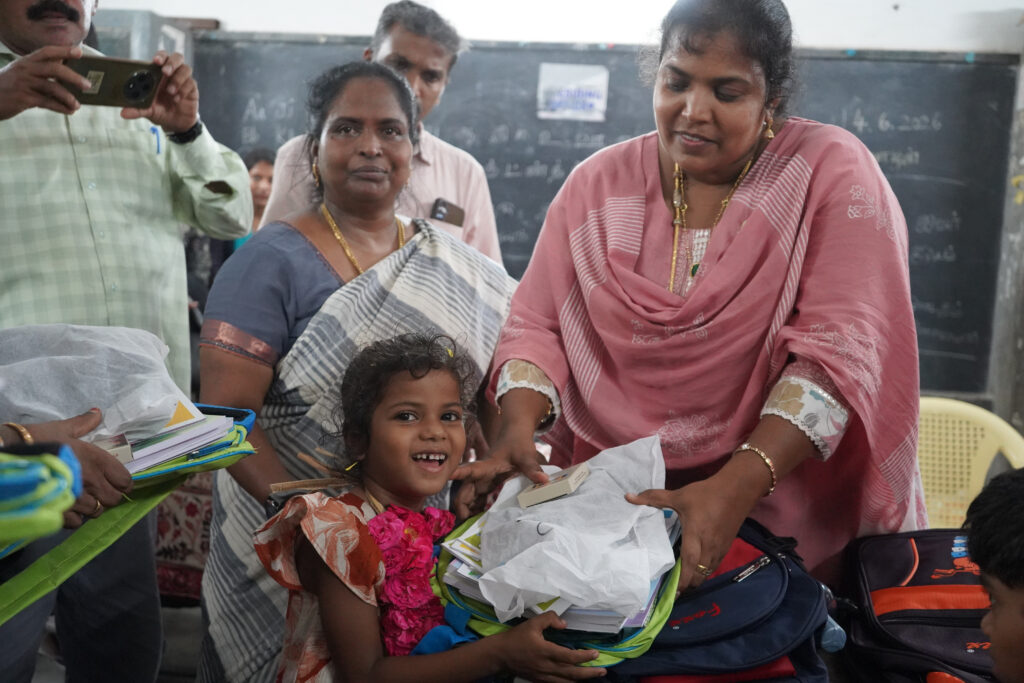
After securing the survivors’ freedom, local authorities coordinated a wide range of support services designed to help them rebuild their lives. Survivors received medical care, counselling, food, clothing and assistance gaining access to government benefits. Children were enrolled in school. Families received support to establish stable livelihoods and pursue a safer future.
One survivor reflected on the care they received after their rescue:
“We have never eaten curry in our lives. After coming here the government has provided us with milk, tea, rice, curry, yogurt and many other varieties of food.”
For children who had spent years working instead of learning and playing, officials created opportunities simply to experience childhood again. Families who had lived without security were given new reasons to hope.
The impact extended far beyond immediate relief. It helped survivors begin rebuilding confidence, dignity and independence.
When Systems Work, Lives Change
The most powerful part of this story is not the rescue itself.
It is the evidence of a justice system working together to protect vulnerable people.
Government officials across multiple agencies collaborated throughout the process. Legal authorities, district administration, health services and other departments coordinated their efforts to identify victims, secure their freedom, provide rehabilitation support and help survivors move toward long-term recovery.
One government official involved in the case reflected on this collective effort:
“Although it may have appeared that I was the one leading the extraordinary rescue, I see it instead as using the responsibility and authority entrusted to me to its fullest. More importantly, the district administration, revenue department, labor department, police, and civil society organizations all came together in an exceptional way to support both the rescue and rehabilitation. It was this collective, convergent effort that truly brought about the transformation in people’s lives.”
This is what justice system strengthening looks like in practice.
It is not simply responding to a single crisis. It is building the capacity, coordination and commitment of public institutions so that vulnerable people can access protection when they need it.
A Sign of Lasting Change
Three months after the rescue, survivors gathered once again, this time for a legal awareness event and the formation of a local survivor network. They learned about their rights, connected with other survivors and took steps toward becoming leaders in their own communities.
That is when the now-famous hug happened.
For many survivors, government institutions have long been distant or intimidating. Yet this survivor felt safe enough to greet a public official not with fear, but with trust.
That moment tells a larger story than words alone can convey.
A woman who once lived under exploitation now stood in freedom.
A government system that once may have felt inaccessible had demonstrated that it could protect and serve people who are vulnerable.
And a community of survivors was beginning to believe that justice was possible.
Why This Matters
At IJM, we believe lasting change happens when justice systems are strengthened to protect people from violence and exploitation.
This story from South Asia demonstrates what is possible when authorities are equipped and motivated to respond effectively, coordinate across agencies and care for survivors beyond the moment of rescue.
The most encouraging outcome is not only that 51 people were freed.
It is that survivors experienced a justice system that worked on their behalf, helping them move from exploitation to restoration and from vulnerability to hope.