Select or Enter Gift Amount(HKD):
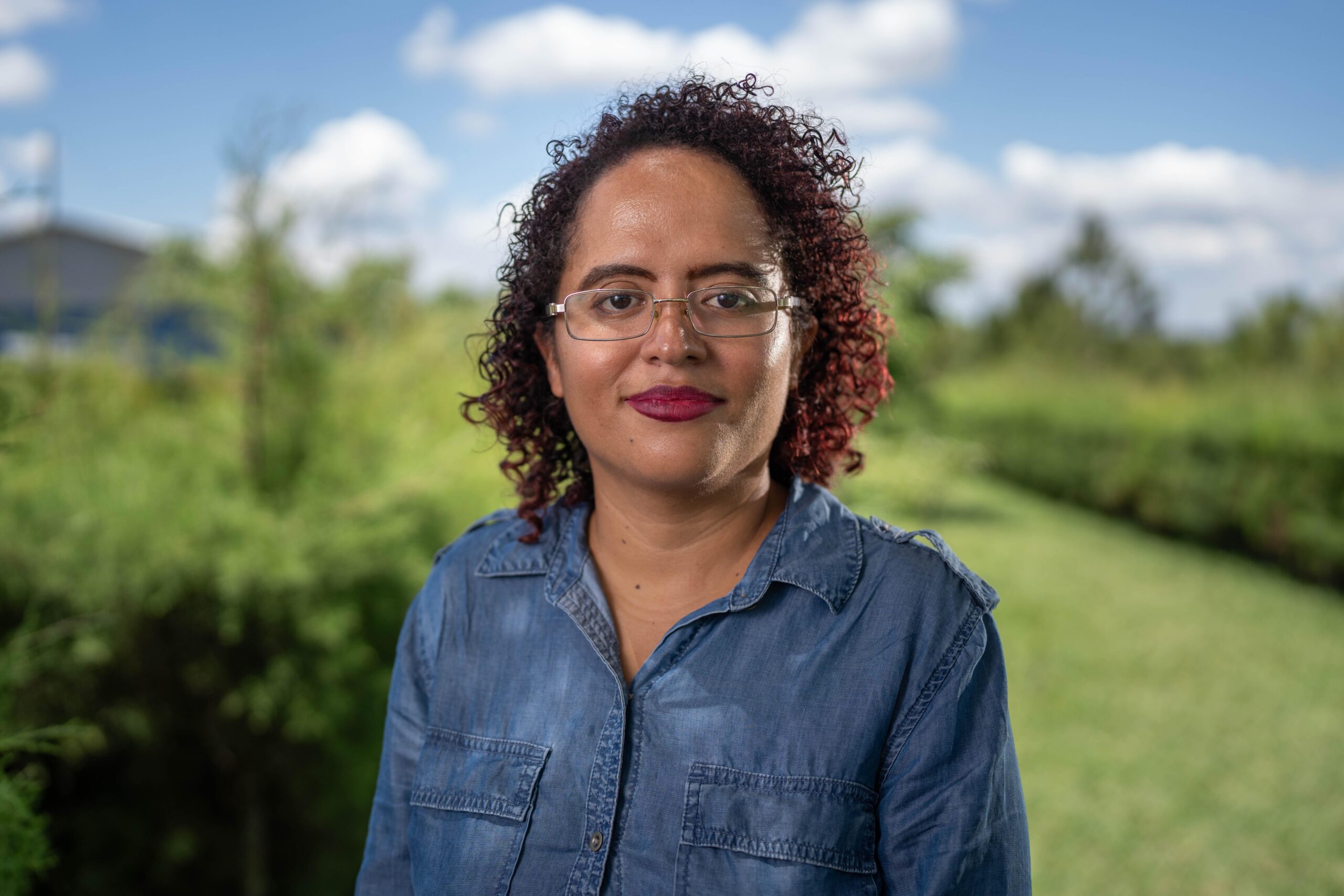
GUATEMALA – Tatiana is a mother from rural Guatemala who has demonstrated extraordinary bravery and resilience in the face of profound hardship. Today, she is raising her daughter, Mia, building a livelihood through entrepreneurship, and advocating for other women and children who have survived violence. But her path to this life was anything but linear.
Tatiana grew up in extreme poverty and experienced sexual violence at a very young age. Later in her life, she was told she might never become a mother because of the lasting physical impact of that trauma. So years later, when Mia was born, Tatiana called her daughter a “miracle.”
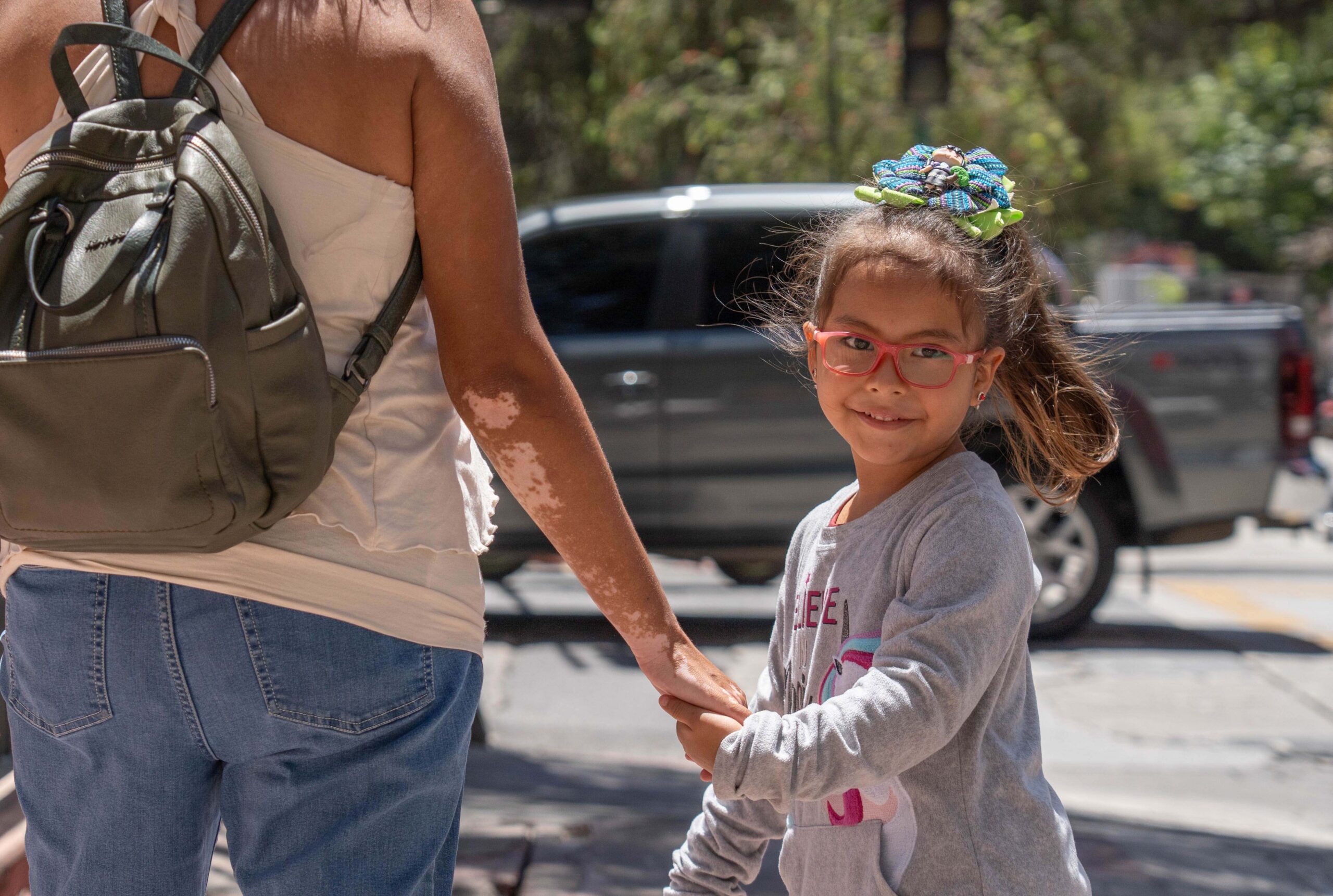
But Mia’s birth was also marked by serious medical complications. During delivery, she experienced oxygen deprivation that resulted in permanent brain damage. Doctors warned that Mia might never walk, talk, or live a typical life.
Even in those early moments, Tatiana was determined to fight for her daughter’s future.
When Home Becomes Dangerous
As Tatiana adjusted to motherhood, her relationship with Mia’s father changed. He began to blame Tatiana for Mia’s condition. Over time, this tension escalated into physical abuse.
Tatiana did her best to endure the situation, believing it was important to keep Mia close to her father. But the violence continued to intensify.
One night, after a severe assault, she realized she and Mia could no longer stay. Tatiana made a life-altering decision: to leave home in search of safety for herself and her daughter.
Finding Support When Systems Fall Short
Tatiana sought help from local authorities, but like many survivors, she faced significant barriers to being heard and believed. “Since I wasn’t bleeding,” she says, “they didn’t pay attention to me.”
The people who were supposed to help her questioned her injuries and minimized the seriousness of her situation, delaying Tatiana and Mia’s access to protection. The prosecutor even scolded her, asking, “Why did you wait until you were bruised to come and report?”
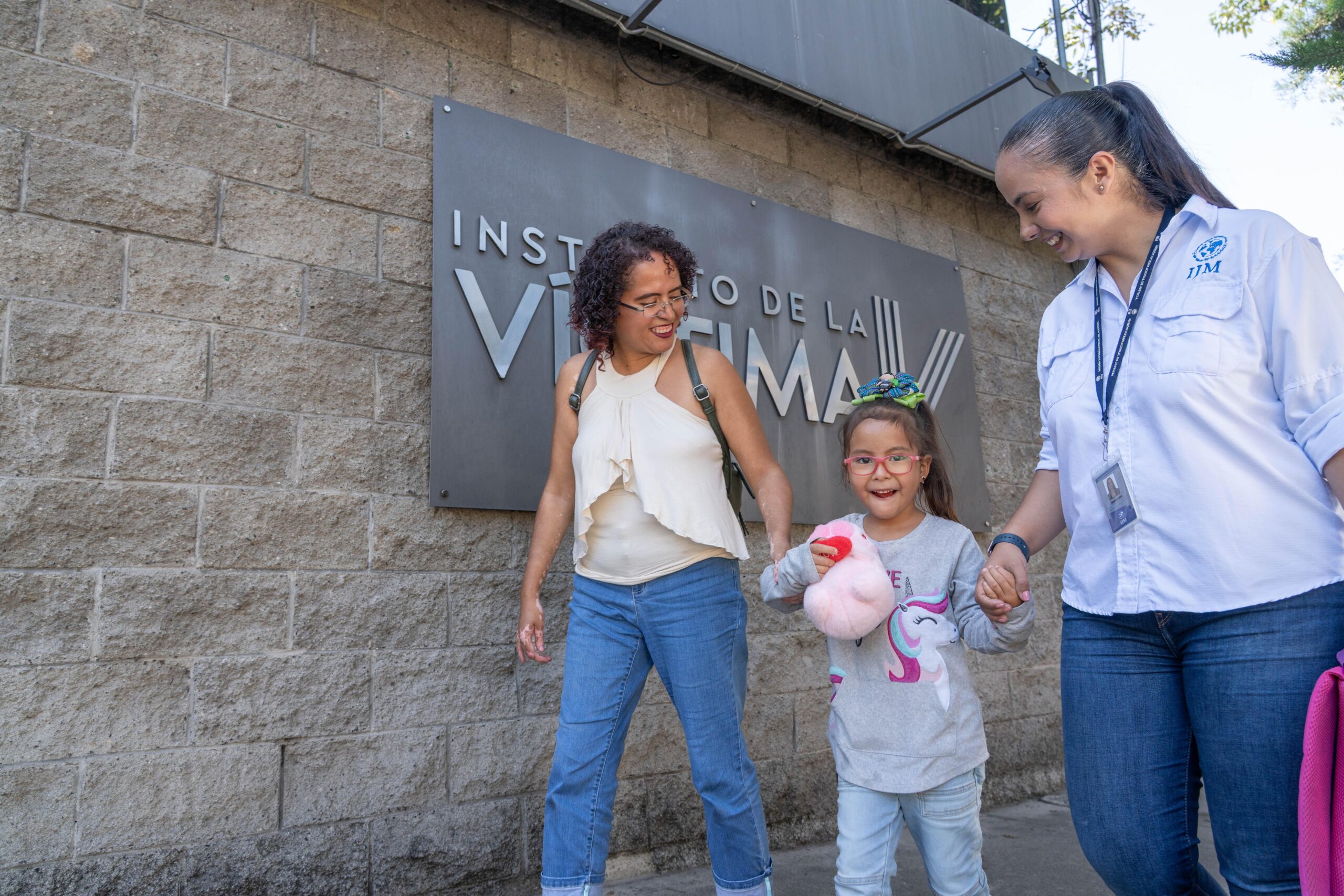
Eventually, though, Tatiana connected with IJM and partners working in Guatemala’s justice system. They accompanied her through the process of reporting the violence, accessing medical and psychological care, and navigating legal protection. Although support from IJM and its partners couldn’t erase Tatiana’s trauma, they established the foundation for her to build a life of dignity and safety.
Rebuilding a Life, One Step at a Time
For Tatiana, healing didn’t happen overnight. She continued to live in a rural area where reaching essential services required long, arduous journeys. She carried Mia to therapy appointments, sometimes starting in the middle of the night and walking for hours through mountainous terrain before continuing by bus.
As Tatiana describes the experience, “I walked down, carrying Mia here [in one arm], holding her head here [against my chest]. I had a flashlight in one hand and some rocks in the other because there were dogs on the road. That was my walk at 1:30 a.m.”
Afterwards, she also dealt with the ongoing effects of trauma. “For several months,” Tatiana shares, “I couldn’t hear a motorcycle outside my house without going on high alert.”
Despite these challenges, Tatiana persisted in the daily work of rebuilding her life. She began making jewelry and baking to provide for herself and her daughter. She formed a community of women entrepreneurs and mothers of children with disabilities. She participated in a survivor leadership group where she learned about her rights and how to advocate within justice systems.
Mia’s Freedom to Play
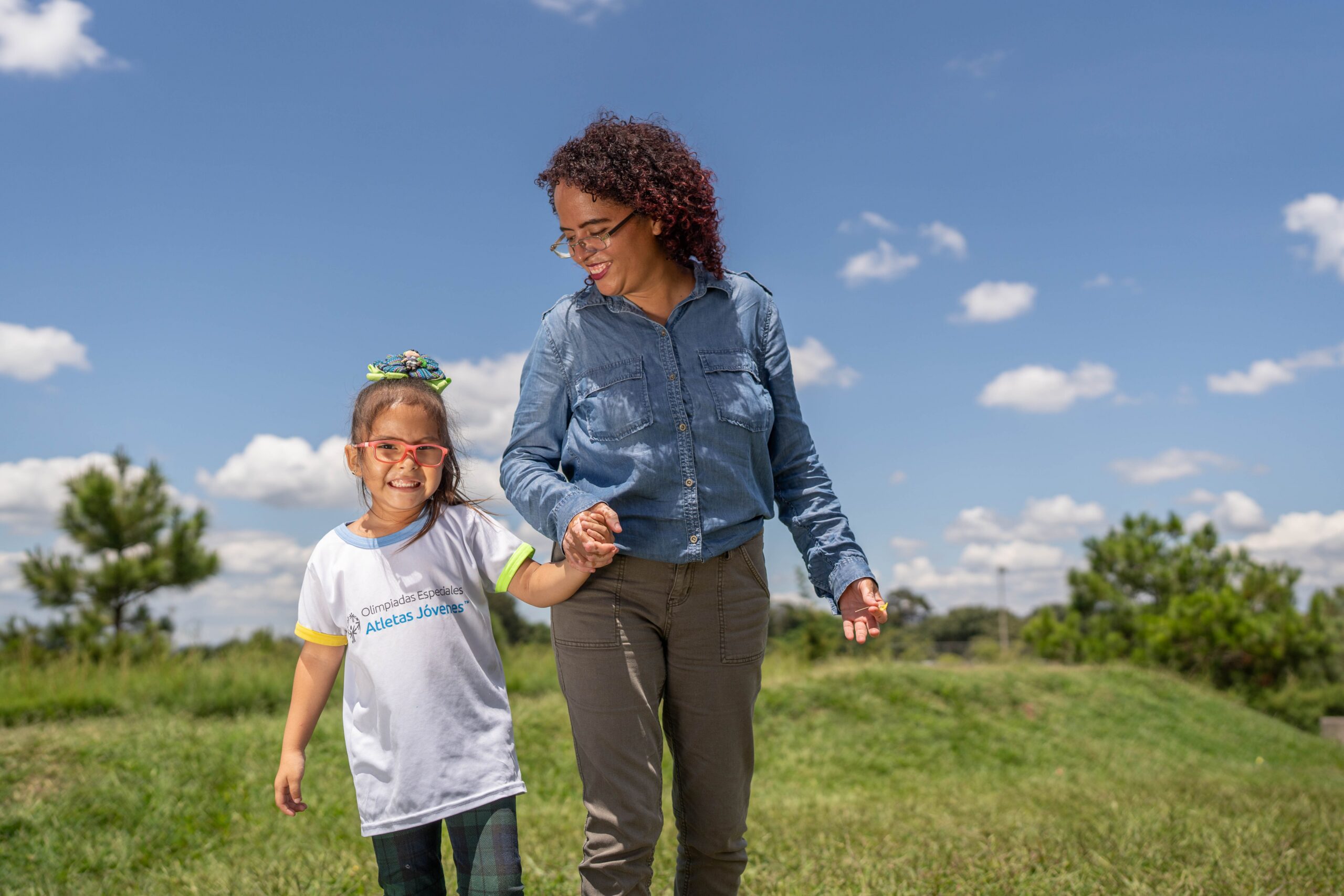
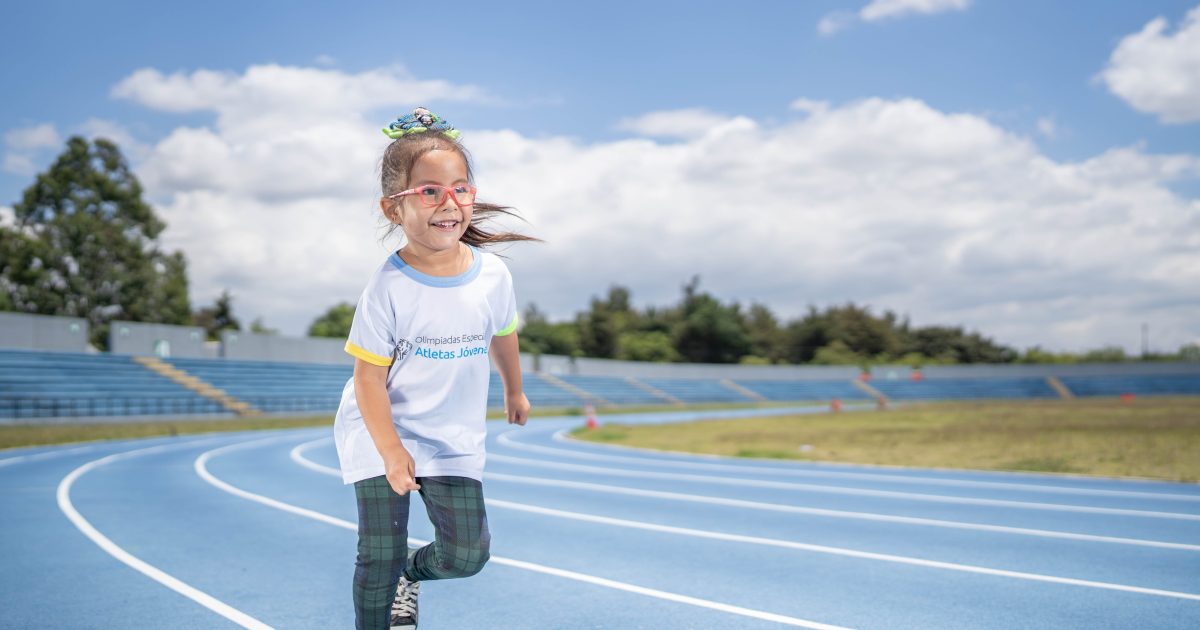
Today, at age five, Mia is thriving in ways her doctors once thought impossible. She’s a joyful, active child who attends a regular school and is even training as a Paralympic athlete.
These moments are profoundly meaningful for Tatiana, because she thought she might never see her daughter do these things. Mia’s ability to play is a symbol of restoration—of the childhood joy that violence and hardship almost stole from her.
From Survival to Leadership
Tatiana’s journey didn’t stop with her own healing. She has become an advocate for other women and children experiencing violence. She speaks publicly about her experience and works to strengthen protection for families in vulnerable communities.
Because of her lived experience and her deep commitment to supporting other survivors, her voice carries power and weight in her community. Tatiana has become not only a survivor of violence but a builder of change.
What Freedom Looks Like
Tatiana’s story shows us what is possible when survivors have the resources to rebuild their lives and become advocates.
It also reflects the heart of the Freedom to Play campaign: the belief that every child deserves safety, dignity, and the chance to experience the joys of childhood.
Freedom is about more than escaping violence. It’s about building a life afterward, and the moments that once felt out of reach to Tatiana—seeing Mia running, swimming, laughing, playing, and living a normal life like her classmates.