Select or Enter Gift Amount(HKD):
South Asia
South Asia Authorities Free Over 500 People, Including 200 Children, from Bonded Labor
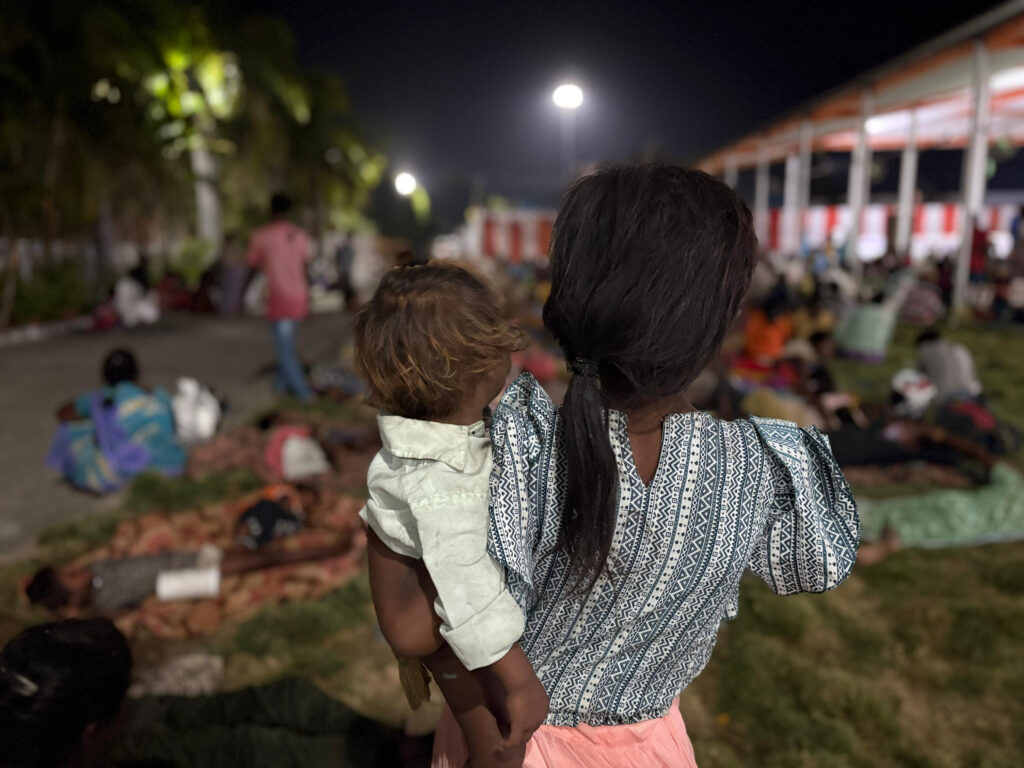
South Asia, 20 May 2026 — Authorities in South Asia rescued 518 people, including more than 200 children and even newborns, from brutal bonded labor across multiple brick kilns, where families had been trapped for years in extreme heat, violence, and escalating false debts. Swift, multi-agency government action led to arrests, immediate care for survivors, and the beginning of long-term rehabilitation efforts, marking one of the largest and most coordinated operations of its kind.
It began with a tip from one escaped laborer, reporting to local authorities that his loved ones were among many workers being confined and exploited at a brick kiln in a rural district of South Asia. A judge from the State Legal Services Authority (SLSA) saw the urgency of the case and quickly ordered a rescue operation. The police department and local government officials executed the rescue, discovering an overwhelming number of people in need in three kilns on several adjacent properties. Local leaders consulted with several labor rights groups and the International Justice Mission (IJM) to ensure the laborers would be safe.
Rescue Operations in Detail
As of Tuesday evening, May 19, 2026, rescuers were still interviewing workers while also providing immediate food, water, and medical care. As the investigation unfolds, interview sessions will give survivors a forum to tell their stories and explain what circumstances resulted in their forced labor, assault, confinement, and exploitation. The Labor Department says 518 people have been rescued from over 120 families. The count includes more than 200 children, 10 of whom were newborns between 2 weeks and one month old.
The rescued families had been trafficked from impoverished communities in other states and were forced to work for three to four years in constant violence and fear. They had been offered generous payment “advances” from the kiln owners, but then saw these falsified debts increase every month to keep them trapped. This is the hottest time of year in South Asia, so working conditions would have been over 110 degrees, even hotter by the kilns. Officials and IJM staff noticed how the laborers were visibly malnourished and exhausted as they pleaded for relief and release.
So far, authorities have arrested three kiln owners and are holding them in police custody. Local authorities followed the provisions of the law and ensured the survivors were safe at every step. The government has begun the long process of coordinating trips home and connecting survivors to aftercare resources.
Understanding Bonded Labor, also known as Forced Labor and Debt Bondage
Bonded labor is a chronic problem around the world. Families in need often make unfair deals with criminal enterprises just to buy the basics of human survival. They must then work off falsified, compounding interest within debts that are never meant to be repaid, with obligations often passing from generation to generation. Other types of forced labor situations might be temporary or could last for years.
Workers around the world should be entitled to “at will employment”, meaning they have the freedom to accept a job offer and quit a job anytime they choose, and work within a safe work environment that includes scheduled breaks, meals, and shift limits. Sadly, basic human rights like these don’t apply to millions of people around the world. Beyond debt repayment, criminal enterprises tend to lure laborers either through false promises, kidnapping, or threats of violence. The International Labour Organization reports there are 27.6 million people in positions of forced labor every day, with 1 in 4 victims being children.
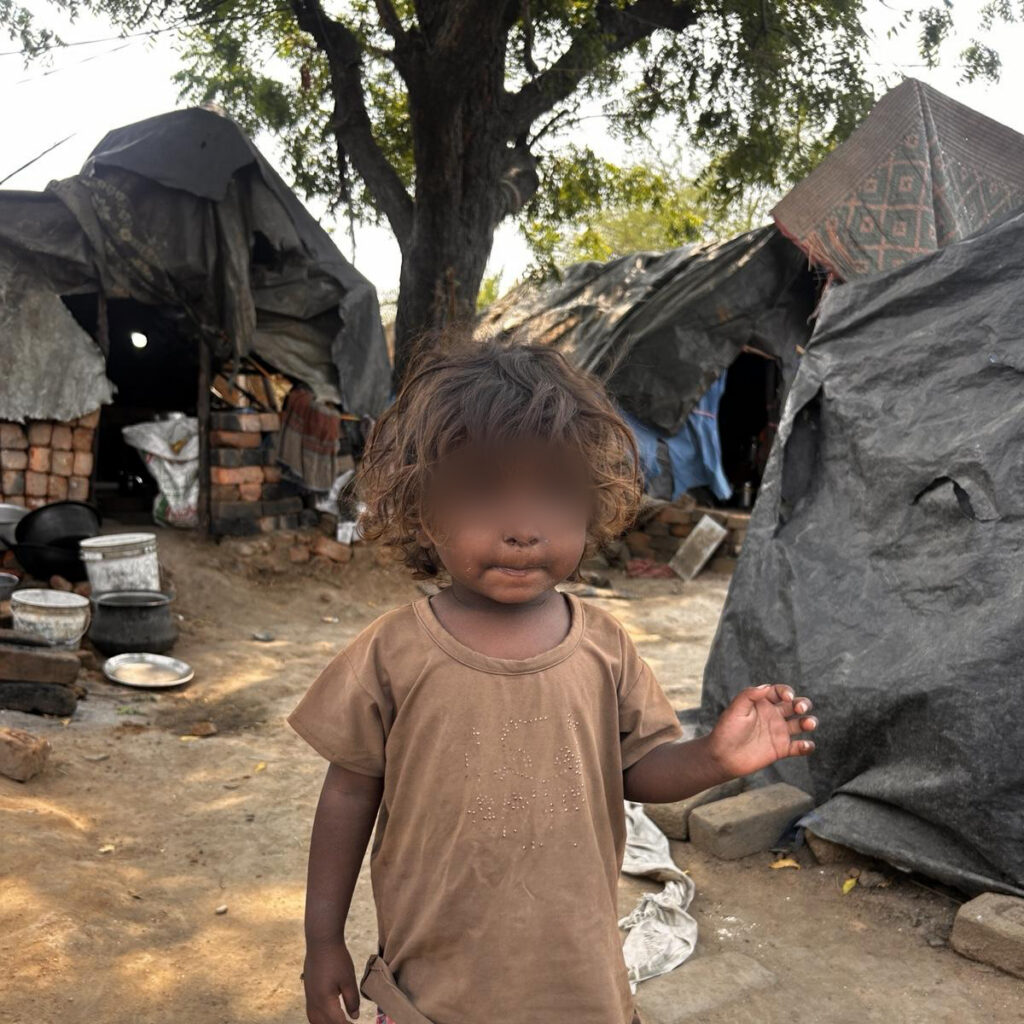
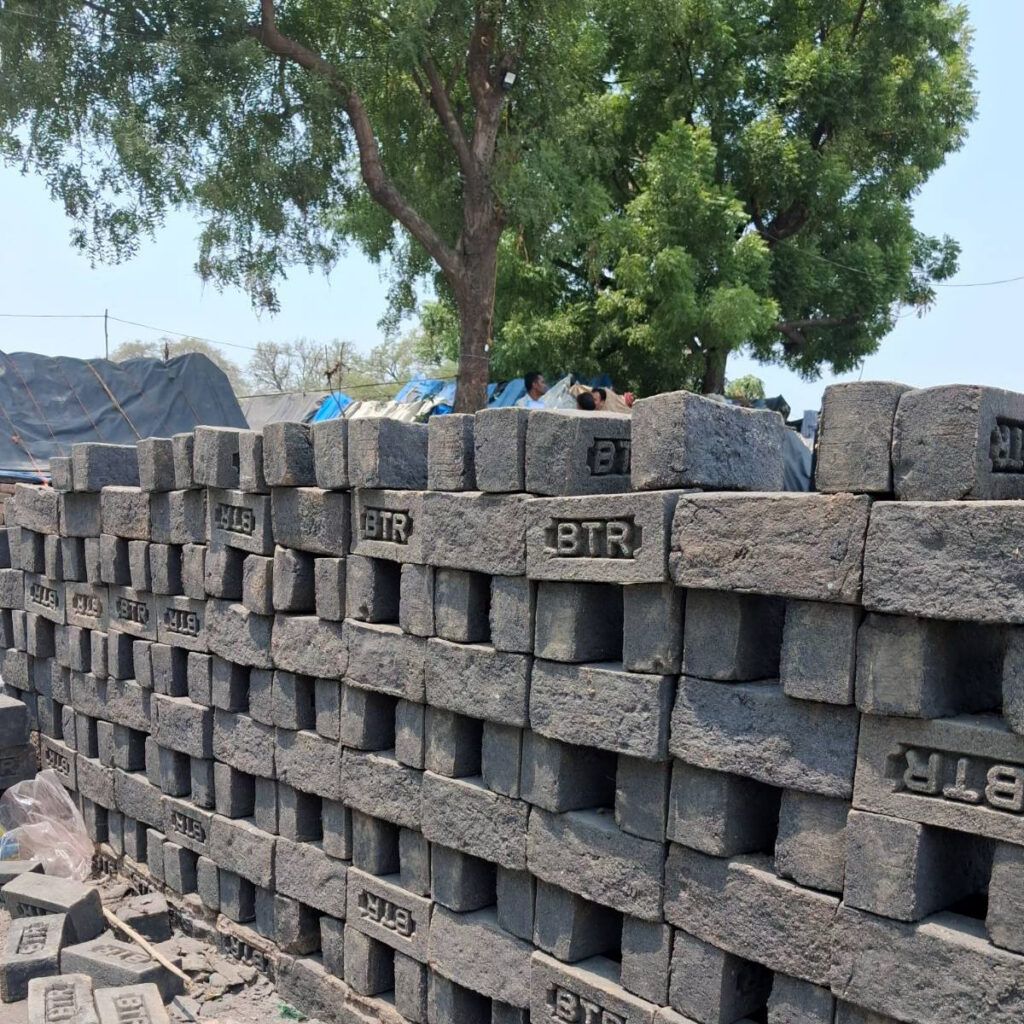
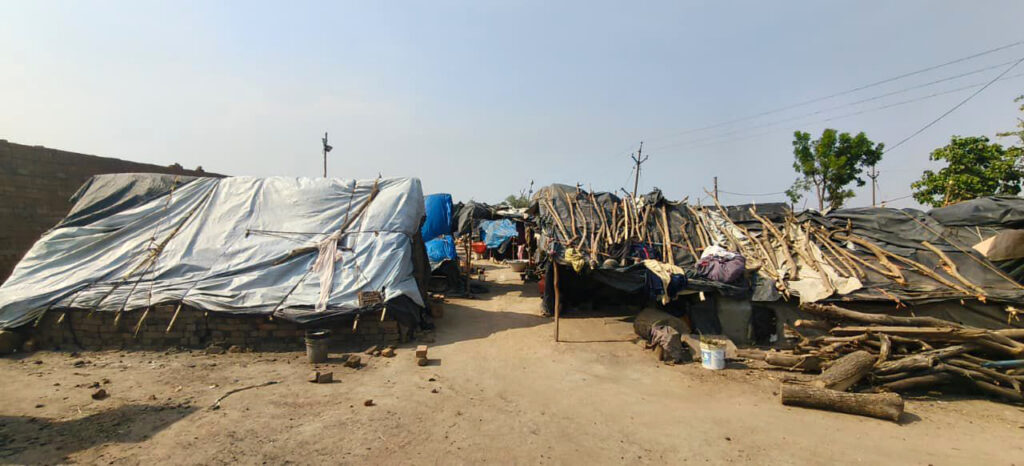
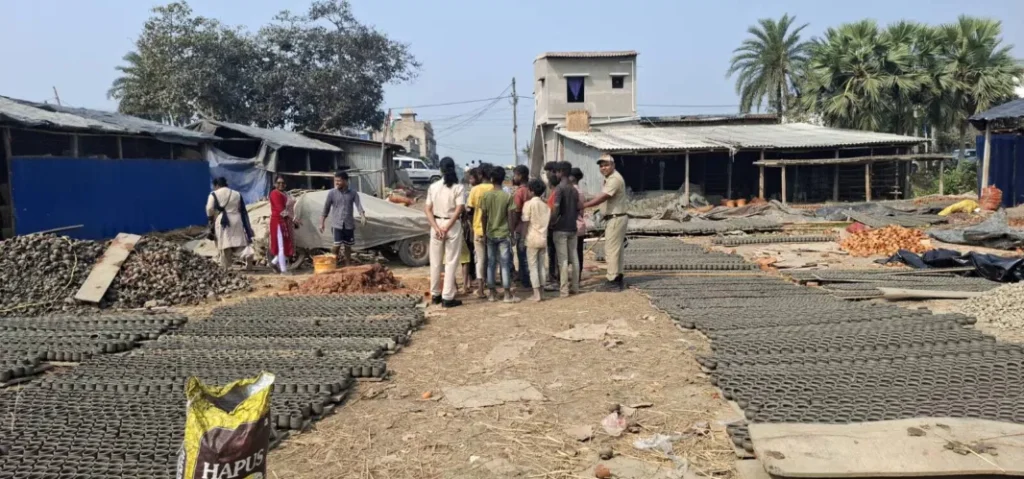
Once workers are confined to a facility, they can be starved, assaulted, and exposed to unsafe work conditions, often around the clock with little food or sleep. In this case, workers were not paid in cash but offered meager vouchers that could only be exchanged for living essentials on site. IJM has extensive experience in brick kilns reliant upon bonded labor. Unregulated kiln work can be arduous, from mixing raw ingredients early in the morning, to firing the product in excessive heat. Children are often tasked with turning the bricks in the blistering sun to ensure even drying. Should any bricks be broken in the process, the cost is added to the debt of the laborers. Further adding to debt, workers must buy the bricks they make to cobble together bleak shelter, often just made of brick walls and thatched roofs with no proper ventilation or plumbing.
Moving The Rescued Forward
As the rescued survivors gathered their belongings to prepare for transportation home, local media reports authorities plan to file charges against facility operators according to a variety of applicable human rights and trafficking laws, including the Bonded Labour System (Abolition) Act and the Child and Adolescent Labour (Prohibition and Regulation) Act.
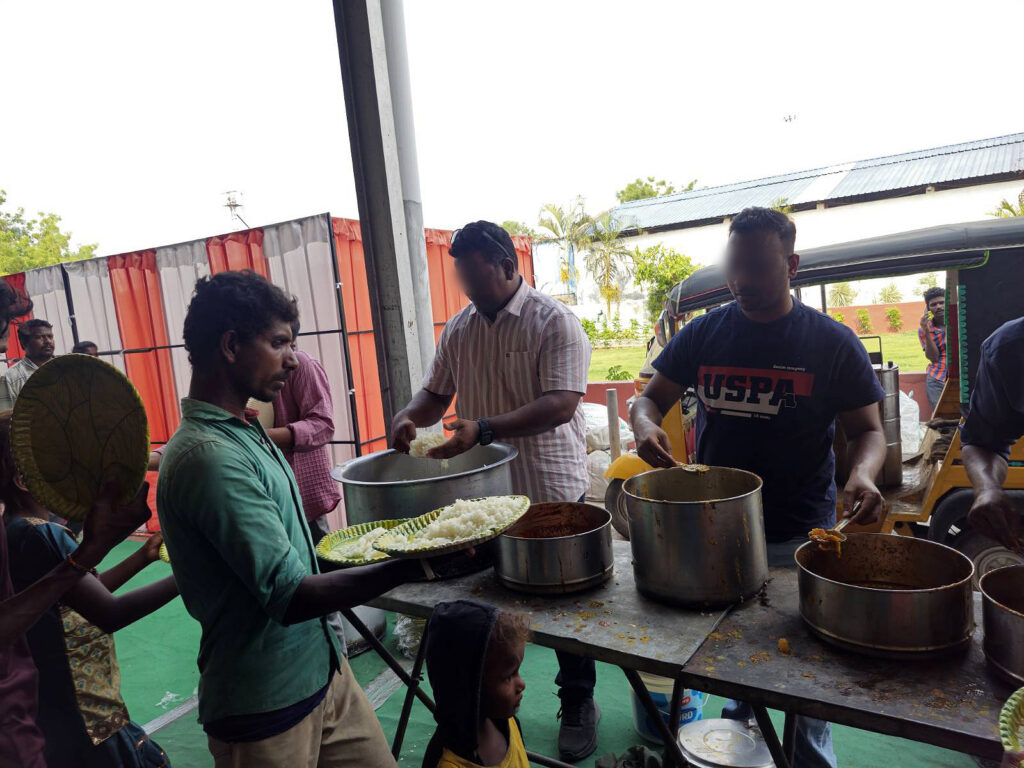
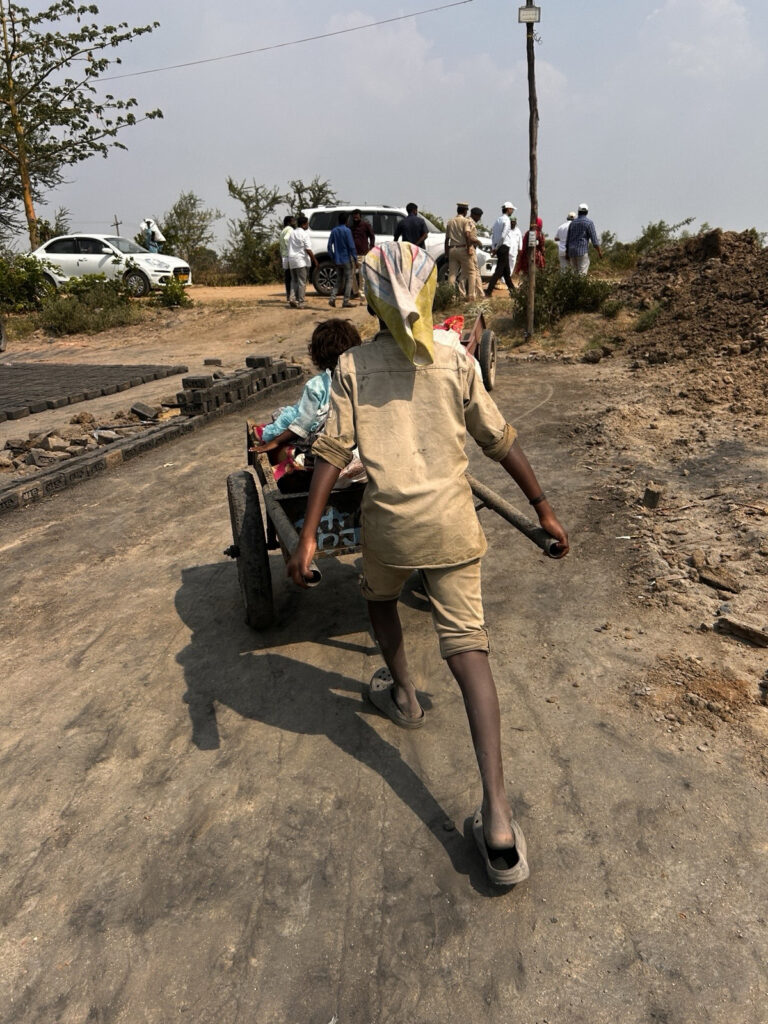
The government has arranged for the first few waves of survivors to begin returning to their home states, where IJM will connect them with our partners and local authorities for long-term aftercare and rehabilitation.
One IJM staff member said, “What stood out most in the operation was the extraordinary government response across multiple states. These officials moved with remarkable speed and urgency, treating the complaint with utmost seriousness and mobilizing multiple departments almost immediately. From arranging transportation, food, accommodation, and medical screening for hundreds of rescued laborers to ensuring smooth interstate coordination, authorities handled the operation with exceptional efficiency and care.”
IJM is also advocating for full Release Certificates for the survivors, which will break their false debt bondage to the owner and entitle them to long-term protections and benefits from the government (like funding, job programs, housing, and other benefits).